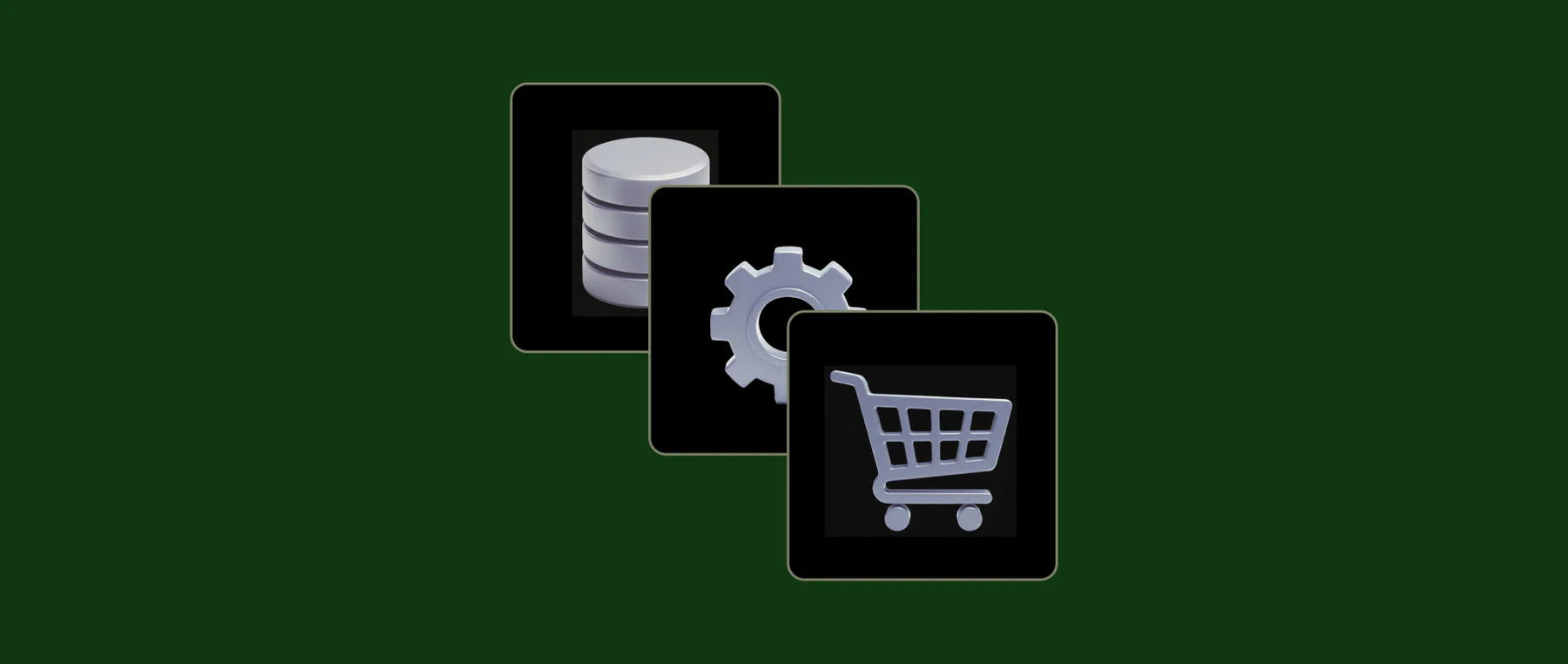
The goal isn't fewer systems, its better connected ones.
As businesses grow and systems aren’t properly connected, issues start to show up:
pricing doesn’t always align
inventory isn’t fully accurate
customer data sits across multiple platforms
more manual work
A common assumption is that consolidation means moving everything into one system.
In practice, that’s rarely the best solution as different systems exist for a reason:
ERPs manage complex data and operations
ecommerce platforms power the customer experience
other tools support specific business functions
The challenge isn’t how many systems you have - it’s how well they work together.
Read Shopify's insights: https://www.shopify.com/au/enterprise/blog/erp-consolidation
How we approach this at Pipelabs
At Pipelabs, we don’t treat consolidation as “replace everything”. We treat it as an opportunity to structure the ecosystem properly.
That typically means working across three layers:
Shopify → the experience layer
ERP / PIM → the source of truth
Pocketknife → the layer that connects and syncs everything
This allows us to:
keep systems doing what they’re best at
ensure data flows cleanly between them
support more complex pricing and workflows
reduce reliance on manual processes
Why this matters now
As businesses scale, complexity doesn’t go away it just becomes more visible.
Whether you’re consolidating systems or expanding into new channels, the same thing applies:
If systems aren’t connected properly, everything slows down.
The takeaway
ERP consolidation isn’t really about reducing tools, it’s about creating an ecosystem that’s:
easier to manage
easier to scale
and aligned with how the business actually operates
At Pipelabs, we focus on connecting systems properly and making sure they work together, no matter how complex.
